Gig Economy Work in Australia 2025
Your guide to flexible work with Uber, DoorDash, Airtasker and more
IntuitiveCalc Team
Financial Content Specialist
Published: 7 January 2025
| 11 min read
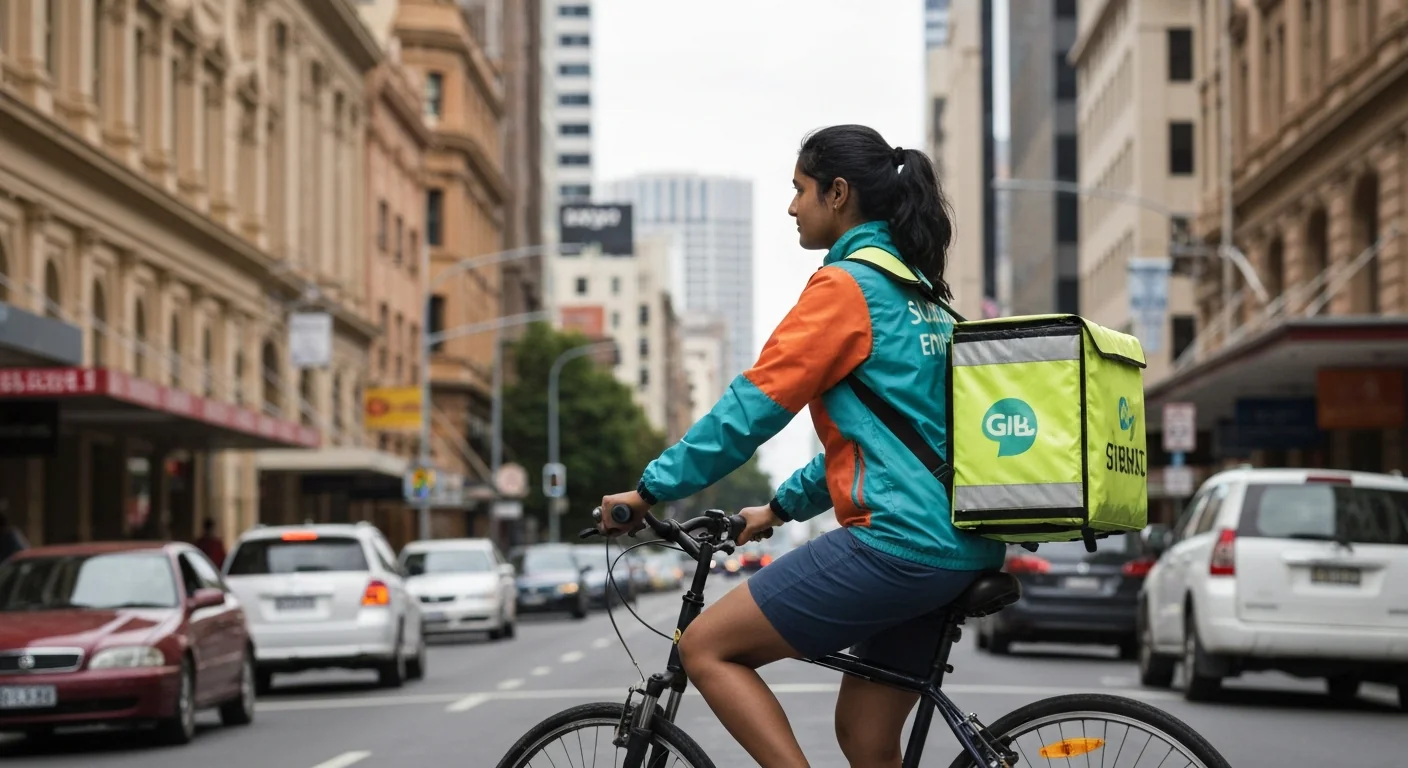
Gig workforce: Over 250,000 Australians work in the gig economy. It offers unmatched flexibility but requires understanding your contractor status and tax obligations.
Popular Gig Platforms
Food Delivery
| Platform | Avg Earnings | Vehicle Options |
|---|---|---|
| Uber Eats | $18 - $30/hr | Bike, Scooter, Car |
| DoorDash | $18 - $28/hr | Bike, Scooter, Car |
| Menulog | $16 - $25/hr | Car, Bike |
| Deliveroo | $17 - $28/hr | Bike, Scooter, Car |
Peak earnings: Dinner rush (6-9pm), Friday-Sunday nights, and bad weather days can double your earnings. Some drivers report $35-45/hr during peak times.
Rideshare
Uber/Ola/DiDi
- Earnings: $20-35/hr (before expenses)
- Car requirements apply
- Driver accreditation needed
- State-specific regulations
Requirements
- Full driver license (1+ year)
- National Police Check
- Vehicle inspection
- Rideshare insurance
Task-Based Platforms
| Platform | Task Types | Typical Rates |
|---|---|---|
| Airtasker | Cleaning, moving, handyman, admin | $25 - $80/hr |
| Hipages | Trades, home services | $50 - $100+/hr |
| Upwork/Fiverr | Freelance digital work | $30 - $150+/hr |
Getting Started
Requirements Checklist
- 1. ABN (Australian Business Number): Free at abr.gov.au
- 2. TFN: Apply at ato.gov.au
- 3. Bank account: For payments
- 4. Smartphone: To run delivery/driver apps
- 5. Vehicle: Bike, scooter, or car depending on platform
Tax Obligations
Important: You're a Contractor
- No tax withheld: You must save for tax yourself (20-30% of earnings)
- GST registration: Required if earning $75,000+/year
- BAS lodgment: Quarterly if GST registered
- Tax return: Annual lodgment required
- No super contribution: You must pay your own super
Tax Deductions You Can Claim
- Vehicle expenses: Fuel, maintenance, registration, insurance (work portion)
- Phone & data: Work use percentage
- Delivery bag/equipment: Thermal bags, phone mounts
- Platform fees: Any fees charged by platforms
- Protective gear: Helmets, hi-vis, rain gear
Realistic Earnings
| Hours/Week | Gross Earnings | After Expenses | After Tax |
|---|---|---|---|
| 10 hrs (casual) | $220/week | $170/week | $150/week |
| 20 hrs (part-time) | $450/week | $350/week | $300/week |
| 40 hrs (full-time) | $900/week | $700/week | $550/week |
Note: Expenses vary significantly. Car drivers have higher costs (fuel, insurance, maintenance) than bike riders. Always track expenses for accurate tax deductions.
Pros and Cons
Advantages
- Complete flexibility
- Be your own boss
- No interview/resume needed
- Instant start
- Multiple platforms at once
Disadvantages
- No sick leave or annual leave
- No superannuation
- Income varies significantly
- Vehicle costs
- Must manage own tax