BMI and Body Composition: Complete Health and Fitness Guide
IntuitiveCalc Team
Financial Content Specialist
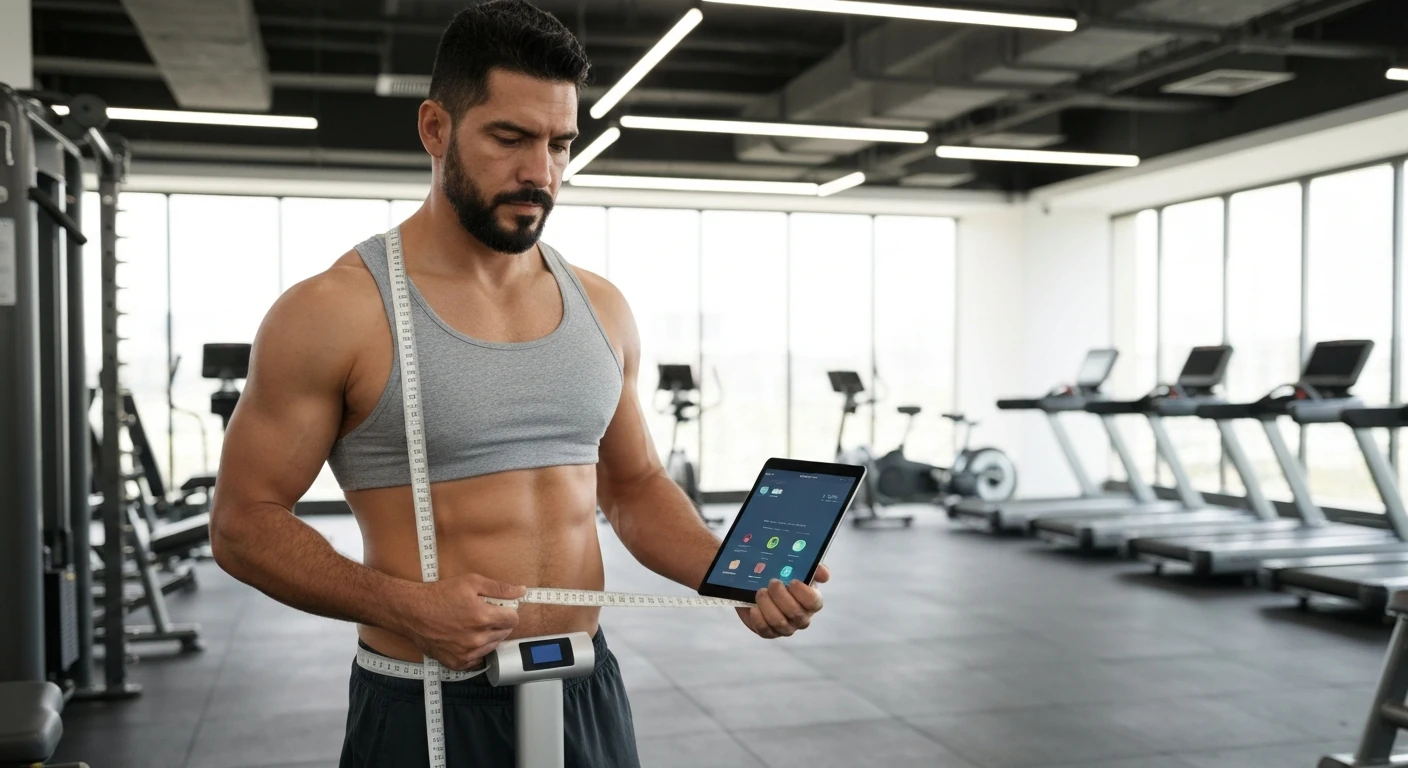
BMI (Body Mass Index) is the world's most used health metric, yet it's fundamentally flawed for many people. Athletes can be classified as "obese" while having 8% body fat. This comprehensive guide explains what BMI actually measures, why it's limited, and how to use better metrics like body fat percentage, muscle mass, and waist-to-hip ratio to accurately assess your health and create an effective fitness plan.
⚠️ The BMI Paradox
Dwayne "The Rock" Johnson: Height 196cm, Weight 118kg = BMI 30.7 (Obese). Body fat: ~13% (Athletic). Tom Hardy in Warrior: BMI 29.5 (Overweight). Body fat: ~12%. BMI doesn't distinguish between muscle and fat - it only measures weight relative to height.
1. Understanding BMI: What It Is and Isn't
BMI was created in 1832 by Belgian mathematician Adolphe Quetelet - not a physician - as a population-level statistical tool, not an individual health assessment. It's calculated as weight (kg) ÷ height² (m²).
BMI Categories and Ranges
| BMI Range | Category | Example (175cm) | Health Risk |
|---|---|---|---|
| <18.5 | Underweight | <56.6kg | Moderate |
| 18.5-24.9 | Normal Weight | 56.6-76.5kg | Low |
| 25.0-29.9 | Overweight | 76.6-91.6kg | Moderate |
| 30.0-34.9 | Obese Class I | 91.7-106.8kg | High |
| 35.0-39.9 | Obese Class II | 106.9-122.1kg | Very High |
| ≥40.0 | Obese Class III | >122.1kg | Extremely High |
When BMI Works (And When It Doesn't)
✅ BMI is Reasonably Accurate For:
- Sedentary adults (no regular exercise)
- Average muscle mass individuals
- Population-level health screening
- Quick initial assessment tool
- Tracking general weight trends
- Children and adolescents (using percentiles)
❌ BMI is Inaccurate For:
- Athletes and bodybuilders (high muscle mass)
- Elderly (muscle loss, bone density decline)
- Pregnant or breastfeeding women
- Different ethnicities (bone structure varies)
- Very short (<150cm) or tall (>190cm) people
- People with high muscle, low fat composition
💡 Asian-Specific BMI Guidelines
WHO recognizes different BMI thresholds for Asian populations due to higher body fat % at lower BMI: Overweight: ≥23 (vs 25), Obese: ≥27.5 (vs 30). If you're of Asian descent, use these adjusted ranges for more accurate health risk assessment.
2. Body Fat Percentage: The Better Metric
Body fat percentage tells you what proportion of your weight is fat vs lean mass (muscle, bone, organs, water). It's far more indicative of health than BMI alone.
Healthy Body Fat Ranges
| Category | Men | Women | Appearance |
|---|---|---|---|
| Essential Fat | 2-5% | 10-13% | Minimum for health (dangerous if lower) |
| Athletes | 6-13% | 14-20% | Visible abs, vascularity, defined muscles |
| Fitness | 14-17% | 21-24% | Lean, some definition, healthy |
| Acceptable | 18-24% | 25-31% | Healthy, little muscle definition |
| Overweight | 25-29% | 32-37% | Some excess fat, health risks emerging |
| Obese | 30%+ | 38%+ | High health risks |
Methods to Measure Body Fat
| Method | Accuracy | Cost | Notes |
|---|---|---|---|
| DEXA Scan | ±1-2% | $100-$200 | Gold standard, shows muscle/fat distribution |
| Hydrostatic Weighing | ±1-3% | $50-$100 | Underwater weighing, very accurate |
| Bod Pod (Air Displacement) | ±2-3% | $50-$75 | Comfortable, quick (5 mins) |
| Skinfold Calipers | ±3-5% | $10-$30 | Operator skill-dependent, at-home option |
| Bioelectrical Impedance (BIA) | ±3-8% | $30-$150 | Home scales, affected by hydration |
| Visual Estimation | ±5-10% | Free | Compare photos to reference charts |
Example: Same BMI, Different Body Composition
| Person | Height/Weight | BMI | Body Fat % | Health Status |
|---|---|---|---|---|
| Sedentary Office Worker | 175cm, 85kg | 27.8 | 32% (High) | At-risk |
| Regular Gym-Goer | 175cm, 85kg | 27.8 | 18% (Fitness) | Healthy |
| Competitive Athlete | 175cm, 85kg | 27.8 | 12% (Athletic) | Optimal |
All three have "Overweight" BMI classification, but vastly different health profiles
3. Waist-to-Hip Ratio (WHR): Measuring Fat Distribution
Where you store fat matters more than how much fat you have. Visceral fat (around organs) is far more dangerous than subcutaneous fat (under skin). WHR indicates fat distribution and cardiovascular risk.
How to Measure WHR
Step 1: Measure Waist
- Measure around your natural waistline (narrowest point, usually just above belly button)
- Stand relaxed, breathe normally, don't suck in
- Tape measure should be snug but not compressing skin
- Example: 86cm
Step 2: Measure Hips
- Measure around the widest part of your hips/buttocks
- Keep tape measure level and parallel to floor
- Example: 102cm
Step 3: Calculate Ratio
WHR = Waist ÷ Hips = 86cm ÷ 102cm = 0.84
WHR Health Risk Categories
| Health Risk | Men | Women | Health Implications |
|---|---|---|---|
| Low Risk | <0.90 | <0.80 | Healthy fat distribution |
| Moderate Risk | 0.90-0.99 | 0.80-0.84 | Increased cardiovascular risk |
| High Risk | ≥1.0 | ≥0.85 | High visceral fat, diabetes, heart disease |
⚠️ Apple vs Pear Shape
Apple shape (fat around waist): Higher WHR, more visceral fat, greater health risks. Pear shape (fat around hips/thighs): Lower WHR, less visceral fat, lower health risks. You can't change your natural shape, but losing overall body fat improves WHR significantly.
4. Muscle Mass and Lean Body Mass
Muscle mass is metabolically active tissue - it burns calories at rest. Higher muscle mass means higher metabolism, better insulin sensitivity, stronger bones, and improved longevity.
Benefits of Increasing Muscle Mass
💪 Metabolic Benefits
- 1kg muscle burns ~13 calories/day at rest (vs 4.5 for fat)
- Gaining 5kg muscle = +65 cal/day = 23,725 cal/year
- Improved insulin sensitivity (reduces diabetes risk)
- Better glucose disposal
- Higher daily energy expenditure
🏋️ Functional Benefits
- Stronger bones (reduces osteoporosis risk)
- Better balance and coordination
- Reduced injury risk
- Improved posture
- Independence in old age
- Better quality of life
Age-Related Muscle Loss (Sarcopenia)
Without resistance training, adults lose muscle mass progressively:
- Age 30-50: Lose ~3-8% muscle per decade
- Age 50-70: Lose ~8-10% per decade
- Age 70+: Lose ~15% per decade (accelerates)
- Lifetime total: Can lose 30-50% of peak muscle mass by age 80
Solution: Resistance training 2-3x/week maintains or increases muscle at any age. Studies show 70-year-olds can gain significant muscle with proper training.
5. Creating Your Personalized Health Plan
Use multiple metrics together for a comprehensive health assessment. Here's how to set realistic, science-based goals.
Step 1: Assess Your Current Status
Complete Body Composition Profile
| Metric | How to Measure | Your Value | Target |
|---|---|---|---|
| BMI | Weight ÷ Height² | _____ | 18.5-24.9 |
| Body Fat % | DEXA/BIA scale | _____ | M: 14-17%, W: 21-24% |
| Waist Circumference | Tape measure | _____ | M: <94cm, W: <80cm |
| Waist-to-Hip Ratio | Waist ÷ Hips | _____ | M: <0.90, W: <0.80 |
| Muscle Mass | DEXA/BIA scale | _____ | Maintain or increase |
Step 2: Set Realistic Weight Loss Goals
💡 Science-Based Fat Loss Rate
- Healthy rate: 0.5-1% body weight per week (0.5-1kg for 100kg person)
- Moderate deficit: 500 cal/day = ~0.5kg/week fat loss
- Aggressive deficit: 1000 cal/day = ~1kg/week (max recommended)
- Preserving muscle: Slower is better + resistance training + high protein (1.6-2.2g/kg body weight)
Step 3: Choose Your Training Approach
Goal: Fat Loss Only
Priority: Calorie deficit + preserve muscle
- Cardio: 3-5x/week, 30-45 mins moderate intensity
- Resistance training: 2-3x/week full-body (maintain muscle)
- Nutrition: 500-750 cal deficit, high protein (1.6g/kg+)
- Expected: 0.5-1kg/week loss, 70-80% fat, 20-30% muscle
Goal: Muscle Gain (Lean Bulk)
Priority: Progressive overload + calorie surplus
- Resistance training: 4-6x/week, progressive overload
- Cardio: 2-3x/week, 20-30 mins (cardiovascular health)
- Nutrition: 200-500 cal surplus, 1.6-2.2g/kg protein
- Expected: 0.5-1kg/month gain, 50-70% muscle, 30-50% fat
Goal: Body Recomposition (Beginners)
Priority: Lose fat AND gain muscle simultaneously
- Resistance training: 3-4x/week, full-body or upper/lower split
- Cardio: 2-3x/week, 20-30 mins HIIT or moderate
- Nutrition: Slight deficit or maintenance, very high protein (2g/kg+)
- Expected: Weight stable, lose 0.5-1% body fat/month, gain 0.5-1kg muscle/month
- Note: Only works well for beginners (newbie gains) or returning after long break
Step 4: Track Progress Properly
⚠️ Don't Rely on Scale Weight Alone
Scale weight fluctuates 1-3kg daily due to:
- Water retention (sodium, carbs, hormones, stress)
- Digestive system content (food/waste)
- Muscle glycogen (stores 3g water per 1g glycogen)
- Time of day, hydration status
Better approach: Weigh daily at same time, calculate weekly average, compare weekly averages.
Comprehensive Progress Tracking
| Tracking Method | Frequency | What It Shows |
|---|---|---|
| Scale weight (weekly avg) | Daily | Overall mass change trend |
| Progress photos | Every 2 weeks | Visual body composition changes |
| Body measurements | Weekly | Inches lost/gained specific areas |
| Body fat % (BIA scale) | Weekly | Trend in fat/muscle ratio |
| DEXA scan | Every 3-6 months | Precise fat/muscle changes |
| Strength metrics | Every workout | Muscle strength/endurance gains |
| Clothing fit | Ongoing | Real-world body change indicator |
6. Common Health Myths Debunked
❌ Myth: "I should lose X kg to reach healthy BMI"
Reality: If you have above-average muscle mass, your healthy weight might be in the "overweight" BMI range. Focus on body fat % and health markers (blood pressure, cholesterol, blood sugar) rather than arbitrary BMI targets. A muscular person at BMI 27 with 15% body fat is healthier than a sedentary person at BMI 22 with 28% body fat.
❌ Myth: "Cardio is better for fat loss than weights"
Reality: Resistance training burns calories during AND after workout (EPOC effect), builds muscle (increases metabolism), and improves body composition better than cardio alone. Best approach: Combine both - weights 3-4x/week + cardio 2-3x/week.
❌ Myth: "Women shouldn't lift heavy - they'll get bulky"
Reality: Women have 15-20x less testosterone than men, making it extremely difficult to build large muscles. Lifting heavy creates lean, toned appearance by reducing body fat % while maintaining/building small amounts of muscle. "Bulky" female athletes are genetic outliers or enhanced.
❌ Myth: "Spot reduction works (burn belly fat with crunches)"
Reality: You cannot target fat loss from specific areas. Fat is lost systemically based on genetics and hormones. Abs are revealed through overall body fat reduction (diet + full-body training), not endless crunches. Truth: "Abs are made in the kitchen" - visible abs require 10-15% body fat (men) or 18-22% (women).
7. Health Markers Beyond Appearance
Body composition is important, but health is multidimensional. These markers matter as much or more than how you look.
Comprehensive Health Assessment
| Marker | Optimal Range | How to Improve |
|---|---|---|
| Resting Heart Rate | 60-100 bpm (lower = fitter) | Cardio training |
| Blood Pressure | <120/80 mmHg | Weight loss, reduce sodium, exercise |
| Fasting Blood Glucose | 70-100 mg/dL | Reduce sugar, lose fat, build muscle |
| HbA1c (3-month avg) | <5.7% | Diet, exercise, weight loss |
| Total Cholesterol | <200 mg/dL | Healthy fats, fiber, exercise |
| HDL (good cholesterol) | >40 mg/dL (M), >50 (W) | Cardio, healthy fats |
| LDL (bad cholesterol) | <100 mg/dL | Reduce saturated fat, increase fiber |
| Triglycerides | <150 mg/dL | Reduce sugar/alcohol, lose weight |
| VO2 Max (fitness) | Age/gender specific | High-intensity cardio training |
Related Tools
BMI Calculator
Calculate your BMI and understand what it means for your health
Calorie Calculator
Calculate daily calorie needs for weight loss, maintenance, or muscle gain
Your Health Journey Starts Now
BMI is a starting point, not the complete picture. Combine multiple metrics - body fat percentage, waist-to-hip ratio, muscle mass, and health markers - for a comprehensive assessment. Focus on sustainable lifestyle changes: resistance training 3-4x/week, 8,000-10,000 steps daily, adequate protein (1.6-2.2g/kg), quality sleep (7-9 hours), and stress management.
Remember: Health is a marathon, not a sprint. Small, consistent improvements compound over years into transformative results. Your best body composition is the one you can maintain healthily and happily for life.